Many parents plan to read their children a story every night of Ramadan. Then the first week arrives, iftar runs late, everyone is tired, and the stories quietly stop by night four.
The fix is to start the habit now, small: a five-minute bedtime story about a Prophet or a Companion, three nights a week, from this week until Ramadan.
Why start ten weeks early
Ramadan 1448 is expected to begin on Monday 8 February 2027 by calculation (local moon sighting may differ by a day). That leaves about ten weeks. A habit that’s already part of bedtime by January survives the late nights of Ramadan; a habit that starts on the first night of the month has to compete with everything else that changes that week.
Five minutes is also the right size. A short story for a four-year-old takes about a minute to read aloud; a longer one for a confident eight-year-old takes three or four. Add a question and a small good deed for tomorrow, and you’re done in five. Three nights a week for ten weeks is about thirty stories, which means your children will already know the routine, and many of the stories, before Ramadan begins.
Allah describes the stories of the Prophets this way: “In their stories there is truly a lesson for people of reason” (Yusuf 12:111). Children remember stories long after they forget instructions, and a story told at bedtime is often the thing they ask about the next morning.
The bedtime story habit, step by step
1. Choose three nights, not seven
Pick three evenings that are usually calm, for example Monday, Wednesday and Saturday. Three nights you keep are better than seven you skip. Once the routine feels normal, you can add nights in Ramadan.
2. Tie it to something that already happens
Read straight after teeth or straight after Isha, whichever comes every night in your home. A habit attached to an existing routine needs no reminder. Keep the stories and a small lantern by the bed so everything is ready when you sit down, and turn the big light off when the story starts. (As an Amazon Associate, Ramadany earns from qualifying purchases.)
3. Read stories that are true and short
Choose retellings that stay close to the Quran and authentic hadith, and that don’t add invented details. For younger children, a few sentences is enough. For older children, a page with one clear lesson works better than a long chapter. If you use a children’s book of Prophet stories, check that it names its sources.
4. End with one question and one good deed
After the story, ask one question, such as “What did Prophet Yunus do when he was in trouble?”, and agree on one small good deed for tomorrow: helping set the table, sharing a snack, saying salaam first. The deed turns the story into something they do, not just something they hear.
5. Let them see their progress
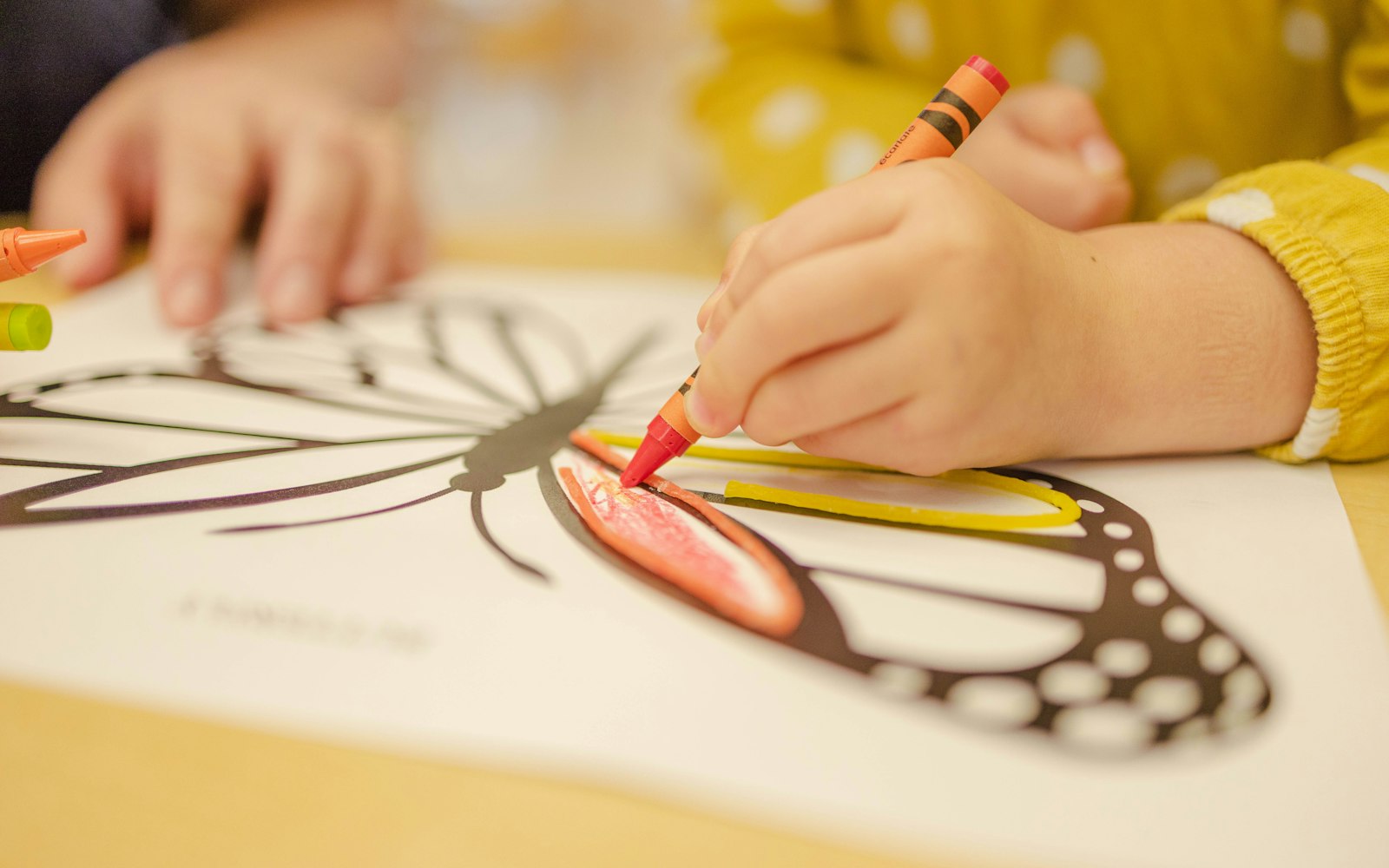
Children love a chart. Draw a simple row of stars on paper and let them color one after each story. By January they’ll have a page full of stars and a reason to keep going.
6. Let the older child read sometimes
Once a week, hand the story to an older sibling to read to a younger one. It builds their reading, and it gives them a small role that they’ll want to keep in Ramadan.
The mistake to avoid
Don’t stretch the story time to make up for a missed night. If you skip Wednesday, just read on Saturday as usual. A five-minute habit that sometimes becomes twenty minutes stops feeling easy, and easy is what makes it last.
And keep it warm, not a test. If a question gets a wrong answer, tell the part of the story again and move on. Bedtime should feel like the nicest part of the day.
If you only do one thing
Tonight, pick your three nights and write them on the fridge. Then read one short story, ask one question, and agree on one good deed for tomorrow. Bring a floor cushion if the bed is too small for everyone. That’s the whole habit.
A true story for every night of Ramadan
30 Nights of Stories gives you one short story of a Prophet or a Companion for each night of Ramadan, retold from the Quran and authentic hadith with the sources printed on each card, and no pictures of Prophets, Companions or angels. It comes in two reading levels: 30 read-aloud cards for ages 4 to 6, about a minute each, and 30 full-page stories for ages 7 to 10, each with a question, a good deed and space to draw.
A star chart with 30 stars to color in is included. It’s a print-at-home download, A4 and US Letter, 49 pages, for $8. You can start with the first few stories now and keep the rest for Ramadan. The same stories are also part of the Family Ramadan Kit.
More for the family: the free Ramadan planner and our list of Ramadan gifts for kids.