Upon Breaking Fast: Ramadan Iftar Duaa
Ramadan is the ninth month of the Islamic calendar and is considered the most sacred month of the year for Muslims. During this month, Muslims observe fast (also known as Sawm) from dawn to dusk as a form of self-discipline, self-reflection, and self-improvement. The fast is broken each day with a meal known as Iftar.
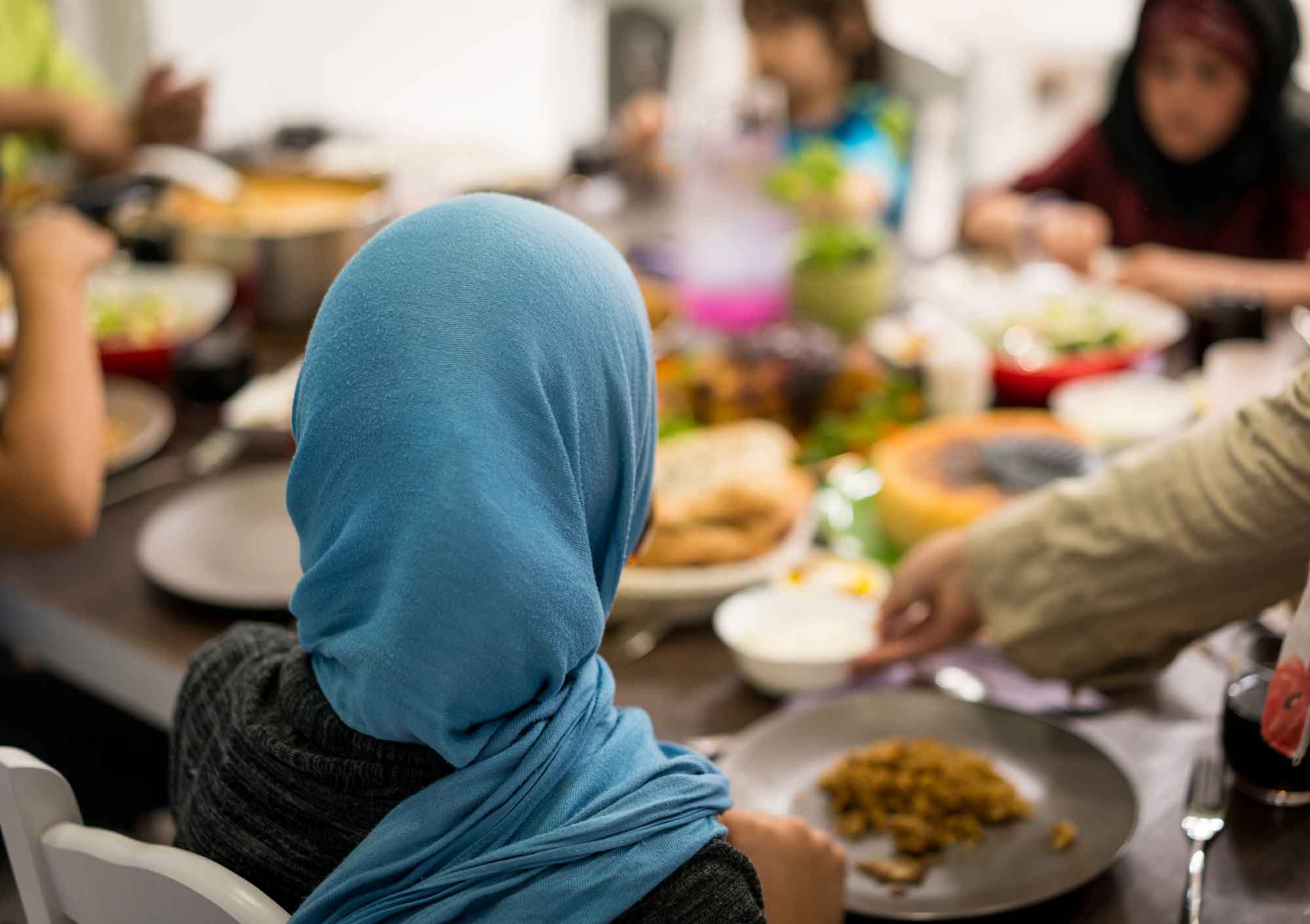
Iftar is a time for family and friends to gather together and break their fast with a meal. It is a time for reflection and gratitude and to thank Allah for the blessings that have been bestowed upon us. One of the most important aspects of Iftar is the Duaa or prayer, which is recited upon breaking the fast.
The dua for breaking the fast
This is the dua the Prophet ﷺ is reported to have said when he broke his fast:
ذَهَبَ الظَّمَأُ وَابْتَلَّتِ الْعُرُوقُ وَثَبَتَ الأَجْرُ إِنْ شَاءَ اللَّهُ
Dhahaba al-zama', wa abtallat al-'urooq, wa thabata al-ajru in sha' Allah.
The thirst has gone, the veins are moistened, and the reward is certain, if Allah wills.
When to say it
The narration says the Prophet ﷺ said these words when he broke his fast. Scholars differ on the exact moment, so ask a local scholar if you’d like guidance.
A note on other wordings
You may also see a dua that begins “Allahumma laka sumtu” (O Allah, for You I have fasted). It is reported in Sunan Abi Dawud 2358, which al-Albani graded weak, so this page uses the narration above, which he graded hasan.
Keep it close at hand
The dua is short, and it’s a reminder to be thankful at the end of each day’s fast. You can find it in our dua library, with a button to copy the Arabic.