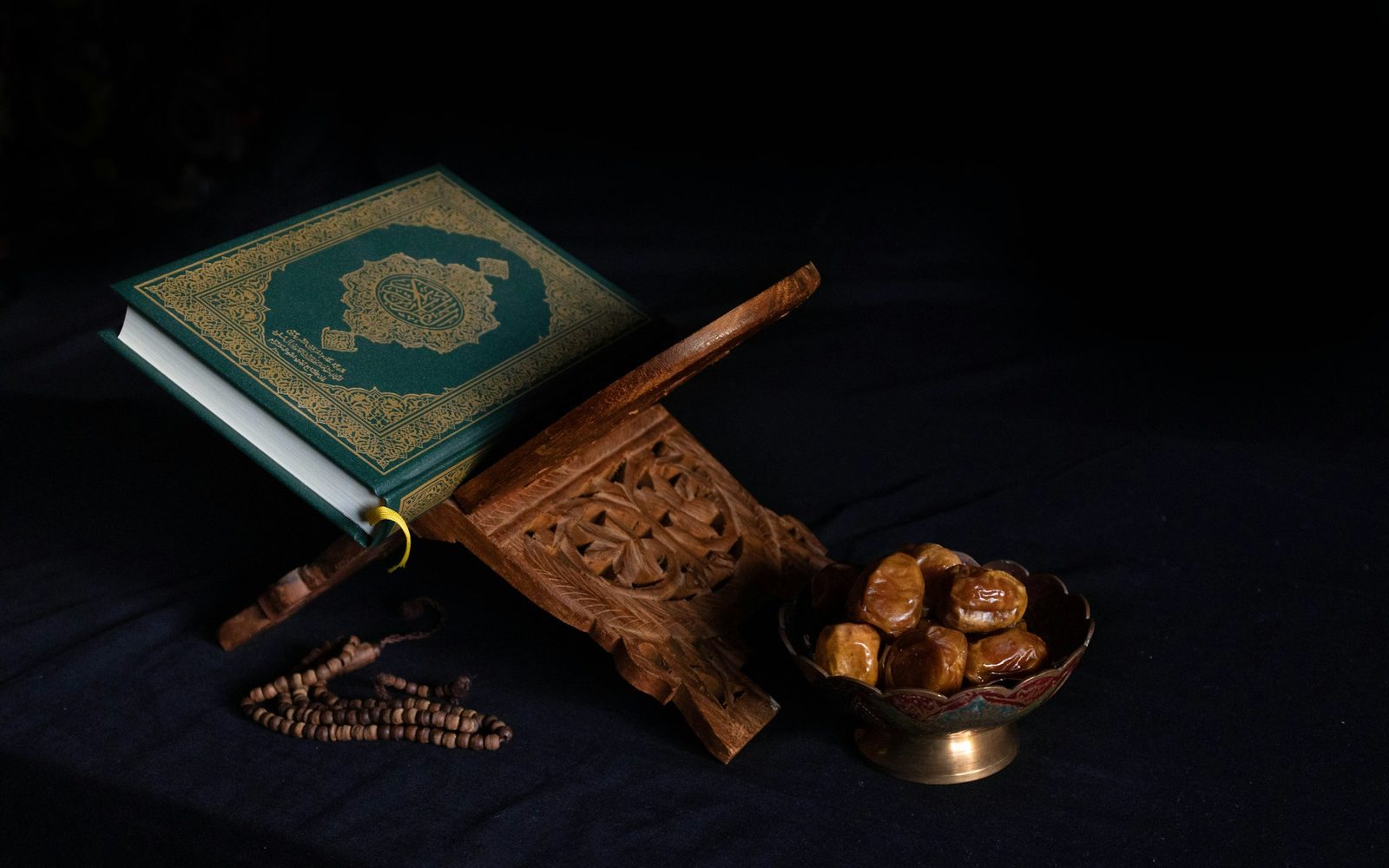
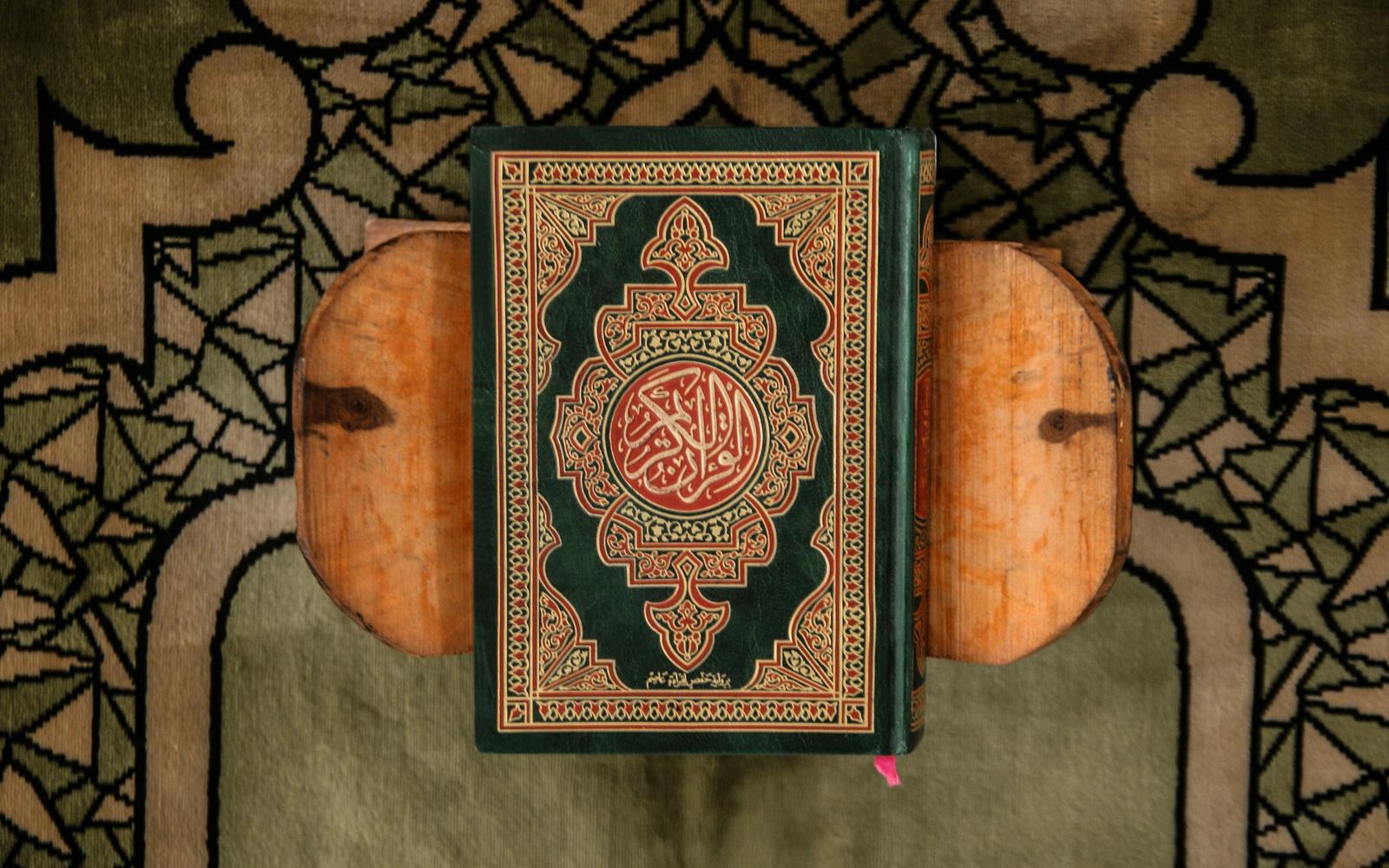
The Five Pillars of Islam are the core acts of worship that shape a Muslim’s life. They are faith, prayer, charity, fasting and pilgrimage. The Prophet Muhammad (peace be upon him) taught that Islam is built on these five (Sahih al-Bukhari 8; Sahih Muslim 16).
Together they cover a person’s whole life: what they believe, how they spend each day, what they do with their money, how they spend one month a year, and a journey many hope to make once in a lifetime.
1. Shahada: the declaration of faith
The Shahada is the statement at the heart of Islam: there is no god but Allah, and Muhammad is the Messenger of Allah.
It has two parts. The first affirms that God is One and that only He is worthy of worship. The second accepts Muhammad (peace be upon him) as God’s final messenger, and his teaching and example as the guide for how to live. A person enters Islam by sincerely declaring the Shahada, and Muslims repeat it throughout their lives, including in every prayer.
2. Salah: the five daily prayers
Muslims pray five times a day: Fajr before sunrise, Dhuhr just after midday, Asr in the afternoon, Maghrib just after sunset and Isha at night. They first make wudu, a short washing, and then pray facing the Kaaba in Makkah.
Each prayer includes recitation from the Quran, standing, bowing and prostrating. Prayer can be offered almost anywhere that is clean, alone or with others, and it pauses the day to return the heart to Allah. Men are encouraged to pray in congregation at the masjid, and the Friday midday prayer, Jumu’ah, is a weekly gathering of the community.
3. Zakat: obligatory charity
Zakat is a yearly payment from a Muslim’s wealth to people in need. It is a duty rather than an optional donation. The word carries the meaning of purification and growth: giving purifies wealth and softens the heart, and it reminds the giver that everything belongs to Allah.
Zakat is due from those whose savings stay above a minimum amount, called the nisab, for a full lunar year. On cash and savings it is generally 2.5%. The Quran names who may receive it, including the poor, the needy and people burdened by debt (Quran 9:60). The details vary by type of wealth and between schools of Islamic law, so it is best to ask a local scholar or a trusted zakat organization how to calculate yours.
4. Sawm: fasting in Ramadan
During Ramadan, the ninth month of the Islamic calendar, adult Muslims fast from dawn until sunset, avoiding food, drink and marital relations (Quran 2:183–185). The fast is also about guarding the tongue and the character, and about growing closer to Allah through prayer, Quran and charity.
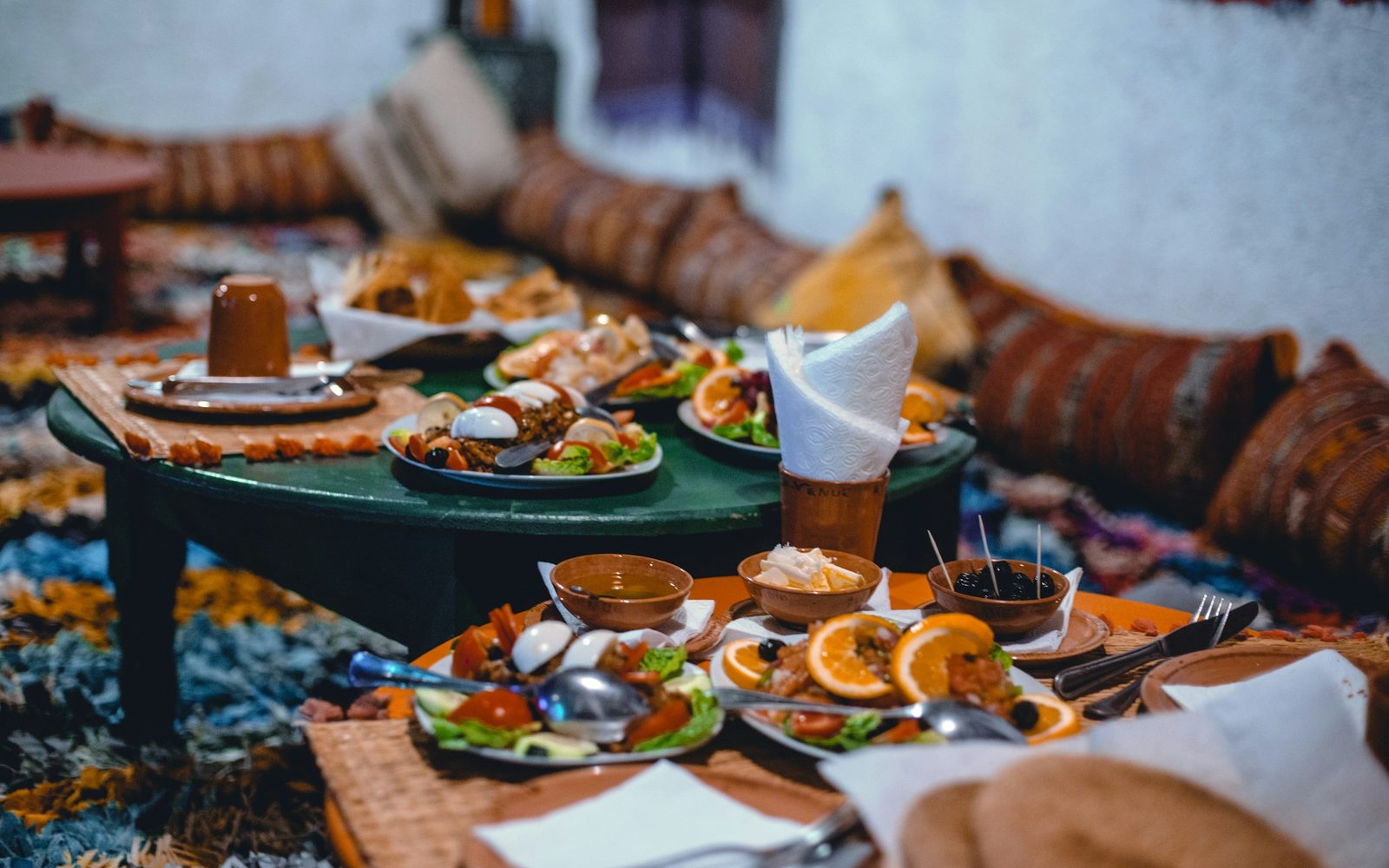
The day begins with a pre-dawn meal, suhoor, and the fast ends at sunset with iftar, often shared with family and friends. People who are ill, travelling, pregnant or nursing, or otherwise unable to fast have exemptions, and most make up the days later or feed someone in need. The month ends with the celebration of Eid al-Fitr.
Our Ramadan guide and calendar with iftar times can help you plan the month.
5. Hajj: the pilgrimage to Makkah
Hajj is the pilgrimage to Makkah, required once in a lifetime for every Muslim who is physically and financially able (Quran 3:97). It takes place in Dhul Hijjah, the last month of the Islamic calendar, and Muslims from around the world gather in the same simple dress, standing together as equals before Allah.
The rites follow the footsteps of the Prophet Ibrahim and his family, and of the Prophet Muhammad (peace be upon them all), and include circling the Kaaba and standing in prayer on the plain of Arafah. Hajj is followed by Eid al-Adha, celebrated by Muslims everywhere. You can read more in our Umrah and Hajj guide.
Why the pillars matter
Each pillar touches a different part of life, and together they connect belief with action. The Shahada sets the direction, prayer keeps a Muslim close to Allah each day, Zakat turns faith toward other people, fasting builds discipline and gratitude, and Hajj joins a believer to the worldwide Muslim community.